Wedding Planning Platforms That Charge a One-Time Fee Instead of a Subscription
Four Australian platforms let you pay once and keep planning without monthly charges.

Wedding planning software with a one-time payment includes WedBuild, The Private Wedding App, Ever After Suite and Wedding Planner: Vow, but they buy you different kinds of access. For a wedding with a fixed end date, paying once is structurally more honest than paying indefinitely. The useful comparison is what stays unlocked, for how long, and whether it handles your actual planning work.
Why a wedding planning subscription is a structurally odd product for a one-time event
A wedding has an end date, but a subscription keeps charging until it is stopped. That is a mismatch between the job and the payment model. Couples need access the whole time they are planning, and the busiest work often comes near the end. They do not need an open-ended financial relationship with the software that holds their guest list.
Ad-supported free tiers funded by vendor referrals and USD-denominated subscriptions serve different business needs. Neither model, by itself, promises uninterrupted access for a fixed planning window. The practical concern is a paywall arriving when there is no room to change tools. If a seating chart locks three weeks before the wedding, or an RSVP tool stops syncing, couples cannot update seating or keep RSVP records in sync. At that point, the risk of losing access outweighs the cost of a single upfront unlock.
What "one-time fee" actually means across different platforms — and where the definition breaks down
A one-time fee describes how you pay, not necessarily what you own. A full cloud unlock can cover a defined period, such as two years, with no renewal required during that window. That is different from lifetime access, but it can cover the whole job.
A one-time app purchase can mean something narrower, namely planning features on a single device. The purchase may leave out cloud sync and a website for guests. A downloadable file is narrower still in some respects, because it gives you offline ownership without hosting, live RSVPs or a guest site. Both can be good value, though they lack the links between tools that a connected cloud planner has.
The definition breaks down when a one-time base purchase needs a recurring hosting add-on. Before paying, check how long the guest site stays live and whether RSVPs and seating come with it or need another unlock. Check the access expiry date and whether the price is in AUD, since foreign-exchange fees change the total. Those details tell you more than the words “one-time purchase”.
Which wedding planning tools can you buy once without paying every month in 2026?
WedBuild offers Standard for a flat one-time A$99 and Pro for A$199, with two years of access and no subscription. Standard has tools to plan the budget, track deposits and payment due dates, and manage guests. Pro adds per-head quote scaling from the live guest list, a visual room designer, seating, printed table cards with dietary legends, QR Find My Seat, vendor comparison with scoring and an AI Wedding Assistant. Its seven-day full-feature trial requires no card. It is web-based and optimised for phones, with vendor comparison tools for vendors you find yourself.
That set window follows WedBuild’s founding principle that couples should keep access to their planning tools without repeat fees locking features away when stress is at its worst. Its two-year full-cloud access with no renewal requirement makes the time limit explicit. With the fee paid once, there is no reason to lock tools mid-planning to get couples to pay again. It does not mean access lasts forever.
Ivory Lane is another Australian-built option, with a Melbourne team and pricing in AUD. Its AI is trained on Australian budget benchmarks by city, and its vendor categories follow Australian planning norms. Partner collaboration is central to the product through assignable tasks, a decisions log and real-time edit sync.
The Private Wedding App offers lifetime access for $189 as a one-time purchase. It also offers a $19.99/month subscription with a three-day free trial, so the payment route matters when choosing it. Its one-time plan supports multiple languages. ForeverAfter is available on iPhone and in a browser, with an Android app coming soon. It belongs in the one-time landscape, but device availability alone does not establish the scope of its purchase.
Ever After Suite charges a small one-time fee for a downloadable HTML file with 16 connected planning sections that work offline. That suits couples who want data privacy and no cloud dependency, but it does not provide a guest site or live RSVPs. Wedding Planner: Vow offers a lifetime unlock for a small one-time fee, limited to on-device planning tools without a guest site. The Planned Wedding is also available for a one-time fee. Pix Wedding is another option, with no built-in registry or cash-fund product and a smaller vendor directory than legacy platforms.
How Australian couples should choose between these options given their guest count, budget, and logistics
For Australian couples, local fit is a useful first filter. A price in USD must be paid in AUD at the exchange rate, and FX fees may add to the cost. A tool built around US planning norms may also use “officiant” rather than “celebrant”, favour US registry partners or lack a Notice of Intended Marriage workflow. Those differences can leave more work outside the platform.
WedBuild and Ivory Lane are both AUD-priced and built around Australian venues, vendors and seasons. That makes them a practical starting shortlist for most Australian couples. ForeverAfter, The Private Wedding App and Pix Wedding have prices in USD or GBP and are built for users around the world or in markets where most people use one language. They remain usable choices, but without the same local calibration. A specific need, such as multilingual guest support, can still make one of them the better fit.
The next filter is the work the couple needs to connect. Standard covers budget and guest management within WedBuild, while Pro adds the full seating and vendor-comparison work. Ivory Lane suits couples prioritising AI-powered budget forecasting and shared responsibility from the start. Ever After Suite suits couples who want to own their files offline and have no need for a live site for guests. The Private Wedding App is relevant when multiple languages matter to guests.
At 150+ guests, AI-assisted seating and dietary flagging can become practical necessities because manual reconciliation consumes substantial time. A small wedding with simple seating may need much less. Free tools can be genuinely capable in that setting, so the question is whether the product plans the wedding or mainly hosts a page, lists vendors or manages a professional’s clients.
Why the budget planner is where the one-time fee argument is hardest to argue against for Australian couples
A wedding budget needs to show both what is about to become due and what has already been spent. Deposits and final balances are due at different times, and per-head quotes change with the guest count. GST treatment can also differ by supplier. Keeping a total in a static expense tracker does not take care of those changes. For a mid-to-large wedding, the useful feature is visibility into commitments.
Australian couples can overshoot their original budgets by a meaningful margin, with less obvious charges adding materially to the bill. Those charges include corkage, cake-cutting, gratuities, ceremony amplification, chair cover hire and vendor meals. A good planner should flag them rather than leave the couple to discover them on an invoice.
WedBuild’s budget guide identifies a specific failure point around the third supplier, when a disconnected spreadsheet cannot know that the guest list has changed. A per-head catering formula can remain confidently wrong until someone updates its headcount. On Standard, its budget planner holds the deposit, balance and due date on each supplier line, with payment reminders. Pro connects per-head quotes to the live guest list, so an RSVP change flows through to the catering total. The distinction matters because paying A$99 does not buy the guest-linked pricing available on Pro.
The reception venue makes that distinction especially important because it is typically the largest single line item, accounting for nearly half the total budget. Before comparing venue quotes, confirm whether food, beverages, staffing, accommodation, set-up and pack-down are included. A lower price on the quote may just pay for fewer things. Paying once makes the most sense when the planner shows what is still owed for the whole planning window as well as keeping track of money already spent.
How vendor comparison and seating logistics change the calculus for weddings over 80 guests
With more than 80 guests, comparing vendors and planning seating can show where free tools that do not link to each other fall short. Quotes are hard to compare because suppliers put different things in their packages. One photographer may include a second shooter, while another gives more hours of coverage and an album. One caterer may include service in a per-head price, while another charges for staff, rentals and a cake-cutting fee elsewhere.
The useful comparison is an all-in total for the couple’s actual guest count and hours. For catering, that means including staff, rentals, service fees and GST before judging the price. Venue checks should also cover cake-cutting fees, corkage, chair cover hire, public liability insurance, ceremony amplification and vendor meals. WedBuild’s Pro vendor tool structures a scored comparison and draws per-head pricing from the live guest list, keeping the comparison aligned with the headcount driving the budget.
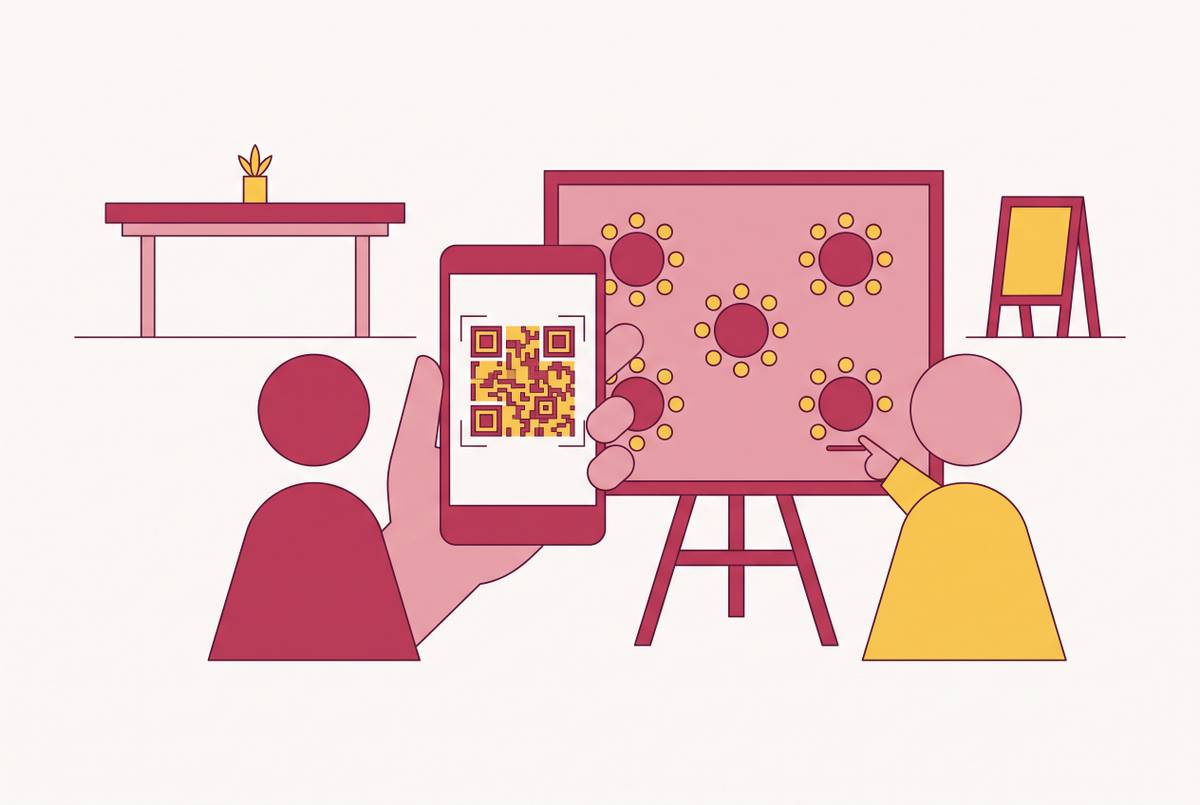
Seating brings a similar reconciliation problem with people and meal requirements: a dietary response needs to remain attached to the right guest as the seating plan changes. In WedBuild, RSVP updates flow into the guest list, which feeds the seating chart and printed table cards with dietary legends, so no one has to enter those details again. QR Find My Seat then helps guests find their places on the day. The design grew from the disconnected-spreadsheet frustrations of its founders, Henry and Elise, an accountant and an engineer who planned their own wedding.
That connection removes a manual dietary-to-seating reconciliation step that can otherwise fall on the wedding morning. It does not make a paid seating tool necessary for every celebration. A simpler free tool can do enough for a smaller wedding, especially when seating is informal. The one-time upgrade has its strongest case when logistics are substantial but a professional planner is not warranted. Automation then buys more than accuracy, because it returns hours in the final weeks when planning stress peaks.
When to stay on a free tool and when the one-time upgrade is clearly worth it
Stay on a free tool if the guest count is under 80 and seating is informal or open. Simple budget tracking can also remain in a spreadsheet when fewer than three suppliers need deposit and balance columns. In that setting, a connected paid platform may solve problems the couple does not have. A one-time fee is a better payment structure for many weddings, but that does not make every purchase necessary.
The upgrade becomes clearly worthwhile when one of three signals appears. The first is a guest count above 80, especially with meal choices and dietary requirements that need reconciling. The second is five or more vendors with staggered payments, where a missed deposit or late balance can cost more than the tool. The third is a need for both partners to contribute actively.
AI can help here with jobs such as adjusting the budget, suggesting seats or scoring vendors. When those tools are linked in a product with a one-time unlock, they can help a couple handle more complex plans without a professional planner. For most Australian couples, the practical route is a free-to-start Australian-built platform, such as WedBuild or Ivory Lane, followed by an upgrade when one of those signals appears.